Most people start with twenty paint chips and a quiet sense of dread. One color looks great in the store and wrong on the wall. Another splits the household down the middle. Picking paint is supposed to be the fun part, and somehow it becomes the part everyone avoids.
That gap is why Target Painting brings a color consultant into the process. Tina Brehob, who has a background in design and psychology and has worked with Target since 2021, visits homes across the Boston area to help homeowners get from twenty maybes to one confident choice. Here is how that visit actually goes.
Read the whole house, not just the wall
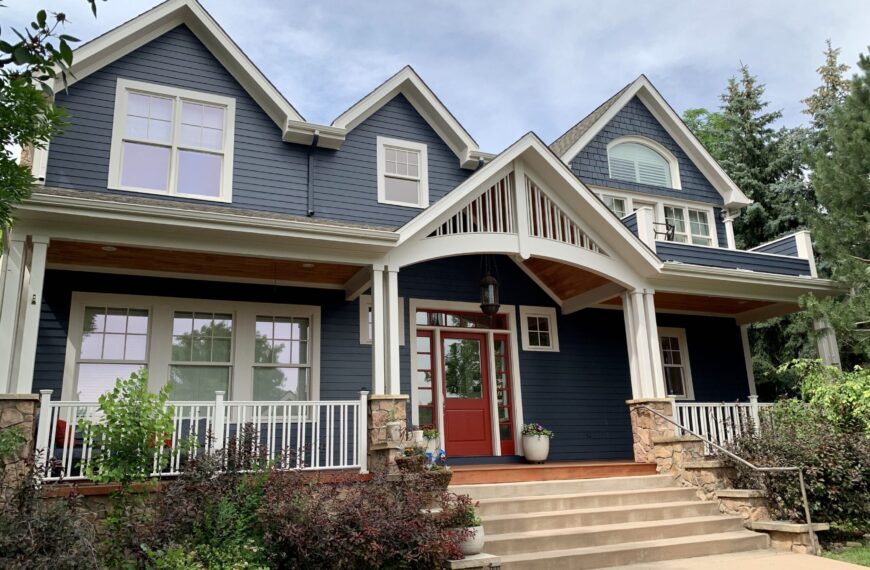
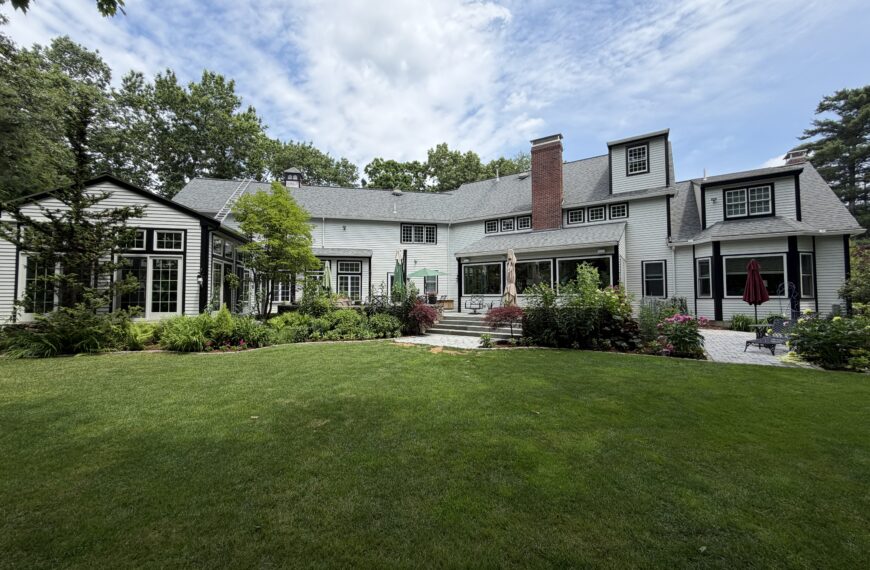
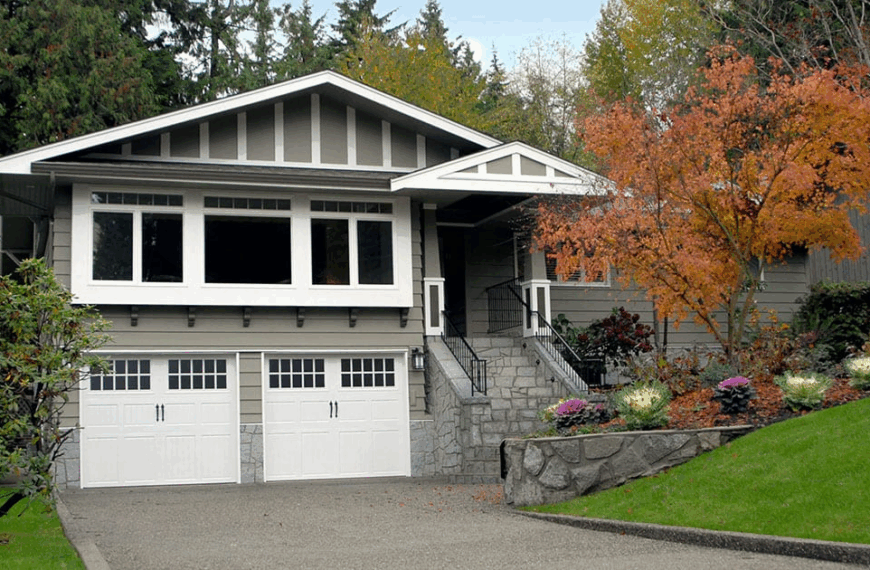
The first thing Tina looks at is everything except the paint. She studies the neighborhood, the trees and nature around the home, and the landscaping. She notes whether the house is brick, stone, or a stucco finish, because every one of those changes what a color will do next to it.
Then she asks questions before she offers a single recommendation. One of the first is how long the homeowner has lived there. “If people have lived there for four or five years, it’s different than if they’ve lived there for 20 years,” she says. The house, the setting, and the homeowner’s history all feed the recommendation. Color is the last piece, not the first.
Get an honest set of fresh eyes
Tina is upfront with homeowners about her role. “I’m going to be completely honest because I’m looking at the house with a fresh set of eyes,” she tells them. “I’m the one seeing it for the first time.”
That honesty runs in both directions. She offers her professional read, then turns it back to the homeowner with a simple question: is there a color you already have in mind? The consultation starts there, with the homeowner’s instinct, and her job is to focus it rather than override it.
Weigh how long you plan to stay
A question that sounds personal turns out to be practical. Homeowners staying for the long haul make different choices than homeowners planning to sell in a year or two, and Tina has watched the second group grow.
“It’s actually happening quite a bit where people want to like what it looks like but plan to leave in five or so years,” she says. Children finish college, parents look to downsize, and the calculus shifts. Her guidance stays steady through all of it: “It’s most important how much you’re going to like it. But if you want to do a crazy color, I’ll let you know that maybe that wouldn’t attract a home buyer.” A bold purple door is fair game. The homeowner just gets to make that call with the resale tradeoff in front of them.
See how light changes the color
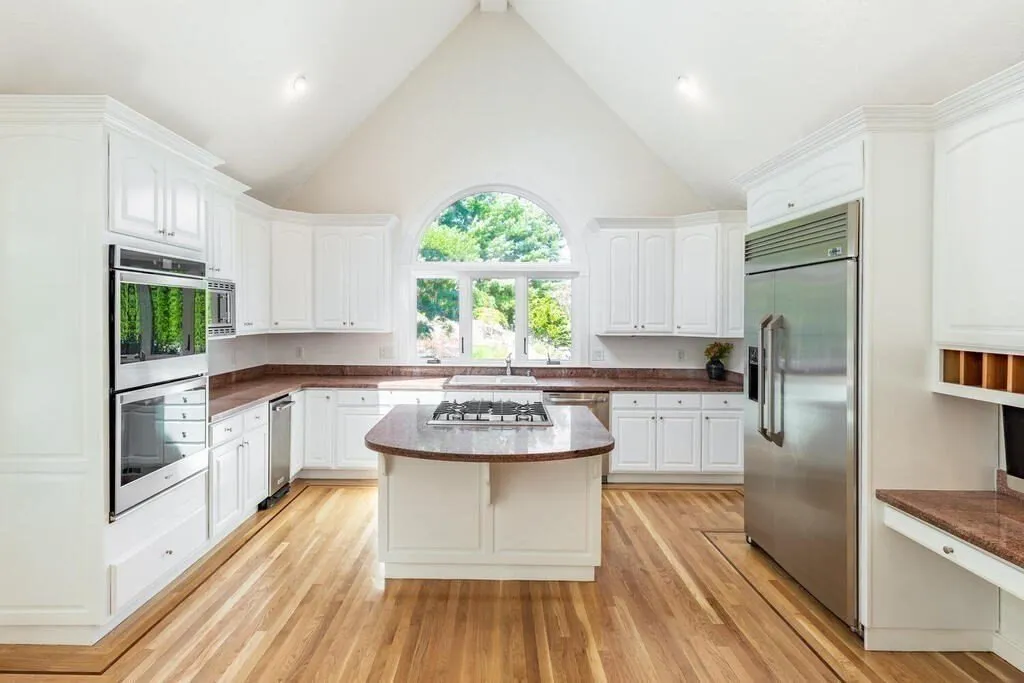
Two rooms can wear the same color and look like different paints. Tina spends real time on how light moves through a home before she commits to anything.
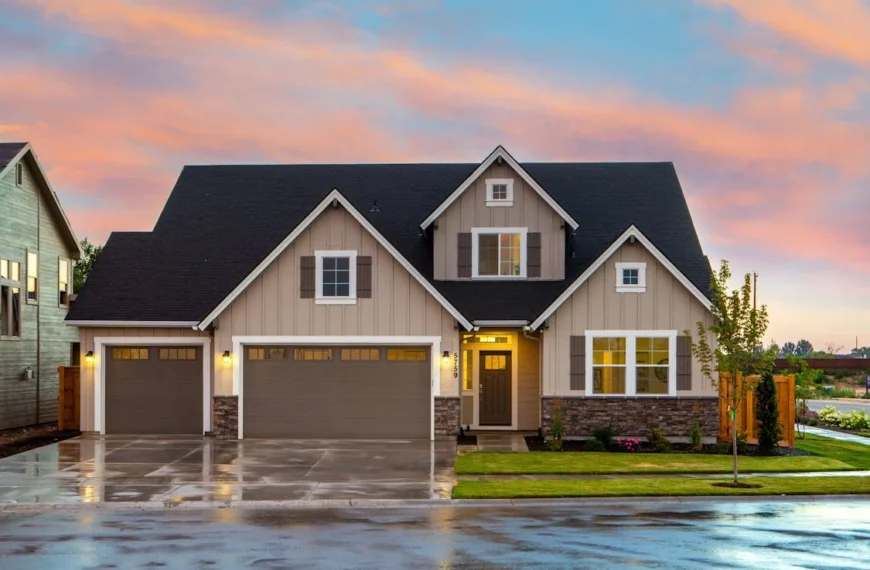
North-facing rooms cool a color down. South-facing rooms warm it up. A shade sitting on the gray and tan cusp “might look a little more gray” in a north room and “more tan” in a southern exposure room. Outside, the same physics applies. If a homeowner wants a black front door on a south-facing wall, she warns them the door will be hot to the touch by afternoon. None of this is obvious from a paint chip under store lighting, which is exactly why she insists on seeing the color in the actual space. For a deeper look at this, our [guide to natural light and paint color] covers north and south exposure in detail.
Understand undertones and sheen
Two words do most of the heavy lifting in a consultation, and Tina makes sure homeowners understand them before she uses them.
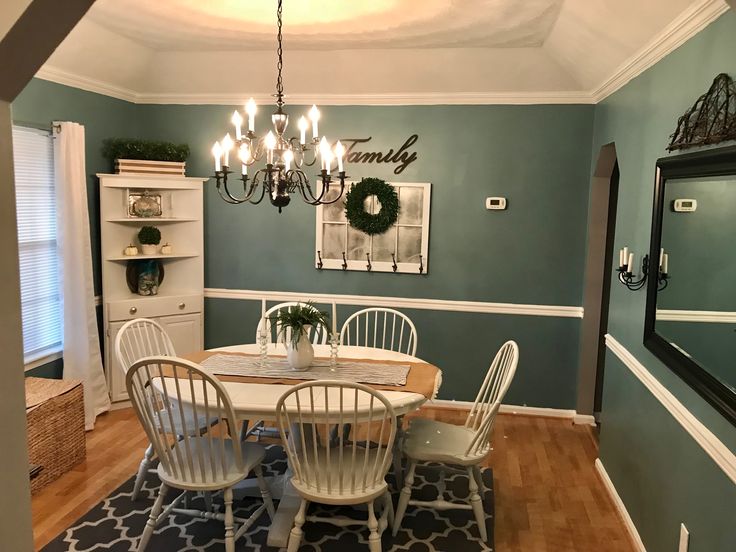
Undertone is the color hiding inside the color. “There’s so many shades of white that go the whole rainbow between blue, green, yellow, pink even, gray,” she explains. A white with a green undertone behaves differently in a dark room than a white with a gray one. Sheen is how much the surface reflects light, which changes how the color reads at different times of day. A green undertone can even be an advantage in a north-facing room, because it bounces a little more light back into the space.
Narrow twenty colors down to three
This is the part homeowners remember. Tina’s real skill is subtraction.
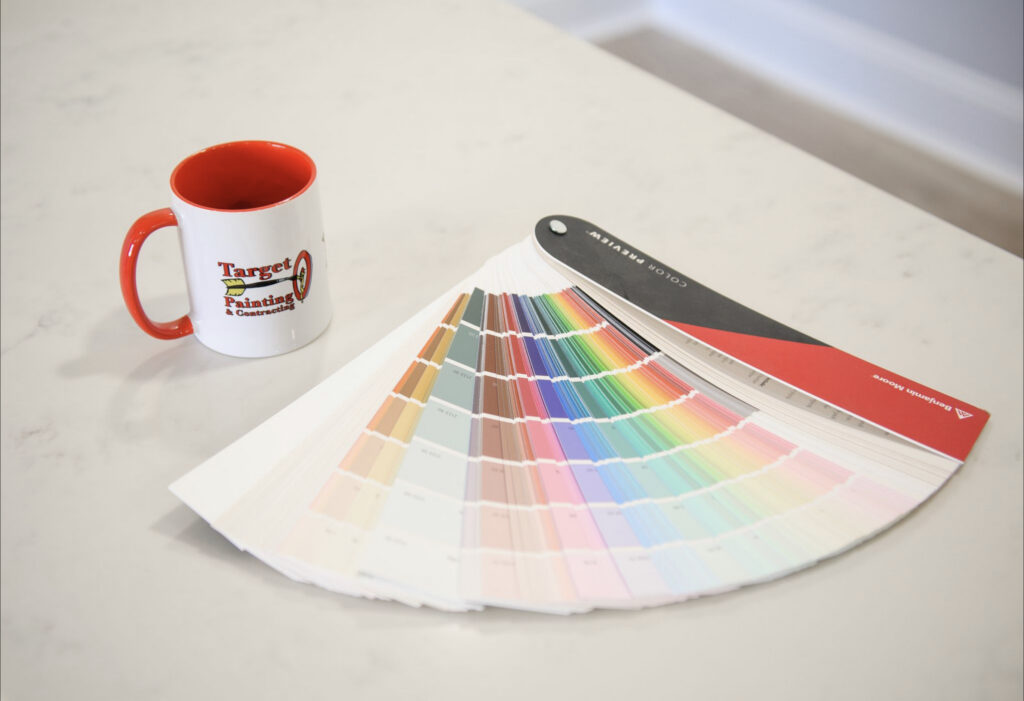
“A lot of people start with 20 colors,” she says. “I like this one. My son likes this one. My husband likes this one.” Her job is to narrow that to three and explain why each one made the cut. She often starts in a paint company’s historical collection, which carries reliable versions of the basics in greens, yellows, blues, and grays, then moves up or down in saturation until the room is right.
Homeowners sometimes ask her to just pick. She answers honestly, then hands the decision back. “I give them my honest answer, but I remind them, it’s your house. You pick what you like.”
Skip the paint store entirely
One of the quiet benefits of working with Target is what the homeowner does not have to do. “You don’t have to do that exercise of going in the stores, being overwhelmed by all these colors,” Tina says.
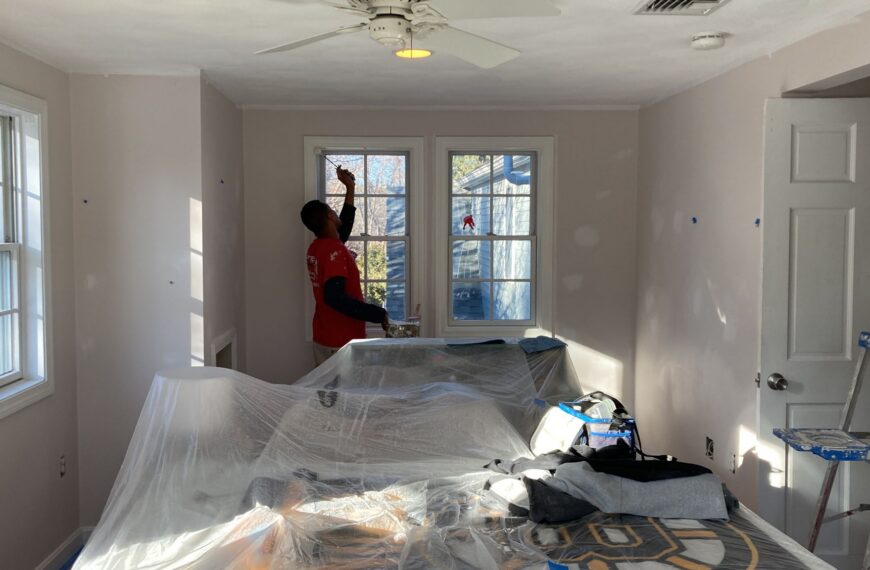
By the time she leaves, the homeowner has a short set of colors everyone agrees on. She fills out the form that keeps the whole team on the same page, and once the homeowner approves it, the job moves forward. From there, Target handles the order and works with the crew so the right paint, in the right formula, shows up on site. A homeowner who wants a custom color over a solid stain can usually get it, which surprises people who assume stain limits them to a set list. Target’s exterior painting service runs through that same coordinated process. The interior painting work does too.
She also keeps an eye out for small wins while the crew is already there. A deck worth staining, a mailbox post that could pick up the trim color, wood that humidity or woodpeckers have worn down. “It really is a good combination of everybody working together,” she says.
Choose the better paint formula
Tina came up through a paint store, so formulas are second nature to her. In New England humidity, she pushes homeowners toward the better formula for a simple reason: moisture works on a house every day, and cheaper paint gives out faster, especially in spots like bathrooms and exposed exterior surfaces.
She is also clear on one shortcut Target refuses to take. Some companies thin their paint, which can leave a finished color looking lighter than the sample. Target does not. As Tina puts it, the team sells against thinning, because the color a homeowner approves should be the color that ends up on the wall.
Book a color consultation
A good color decision is less about luck and more about seeing the color in your actual home, under your actual light, with someone who can narrow the field. If you are weighing a repaint in the MetroWest or Greater Boston area, request a free quote and ask about an in-home color consultation.
About the expert: Tina Brehob is a color consultant Target Painting partners with on in-home consultations. She holds a degree in design and psychology and has worked with Target since 2021, helping homeowners choose interior and exterior colors that fit their home, their light, and their plans.


 By
By